
No Power at Home?
Losing power at home can be frustrating and sometimes dangerous. If you have no power to your house in Sydney, the cause could range from a tripped safety switch to a serious electrical fault that needs immediate attention.
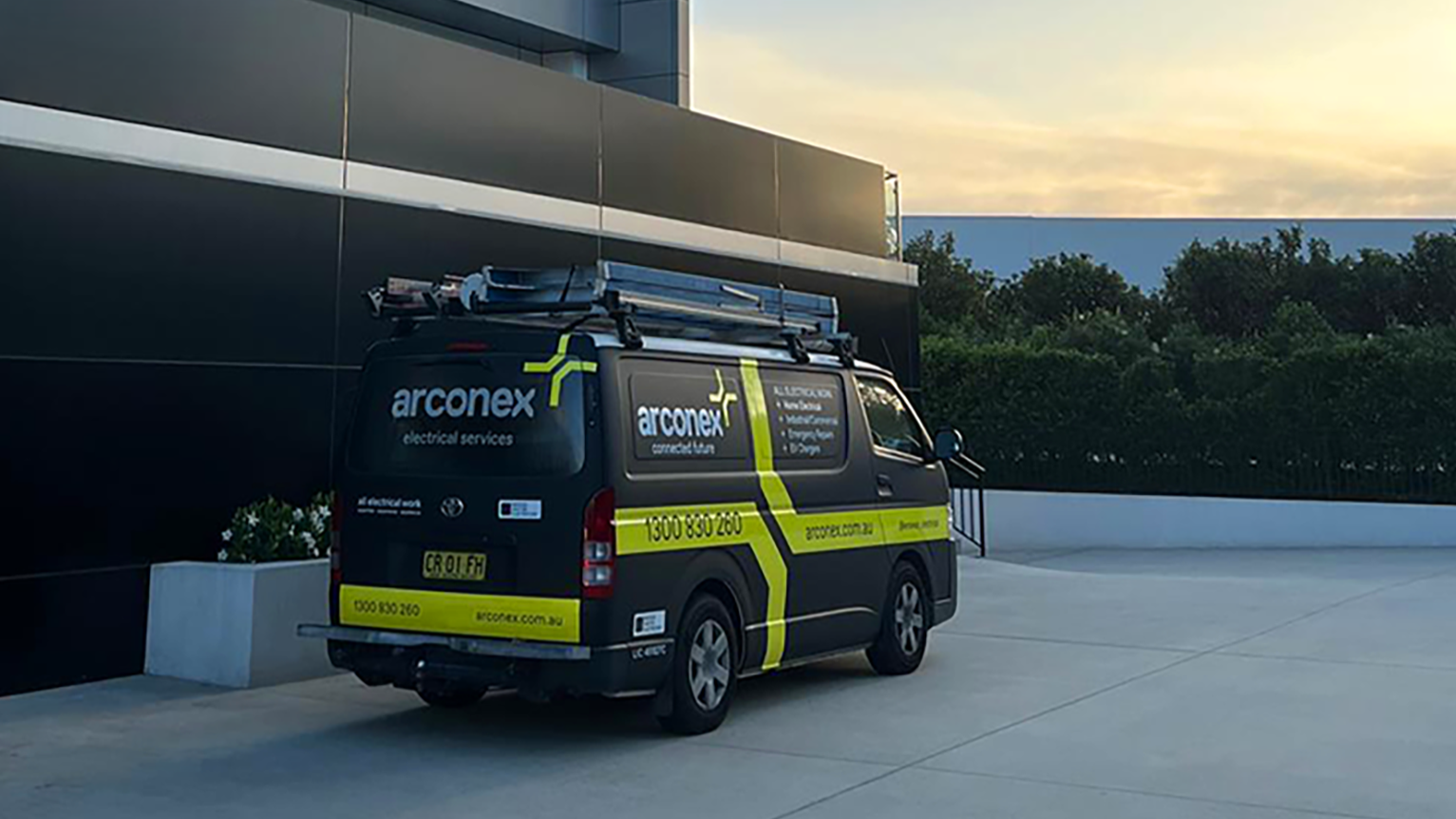
This guide explains what to do when your power goes out and when it’s time to call an emergency electrician in Sydney. If you need urgent help, Arconex can arrive within 1 hour to restore power safely and efficiently.
Step 1: Check If the Power Outage Affects More Than Your Home
Before assuming the problem is inside your property, follow these steps:
Are neighbouring houses without power? Are streetlights or traffic lights off? If so check Ausgrid Power Outages Sydney and surrounding areas. You can also report a loss of power here. Check Ausgrid’s outage map and status
Have you received an outage alert from your energy provider?
If the outage is widespread, it’s likely a network issue.
However, if only your home has no power, you may be dealing with an internal electrical fault and that’s where an electrician is required.
Step 2: Inspect Your Switchboard for Tripped Breakers
If the power outage is isolated to your home, head to your switchboard.
Look for:
Tripped circuit breakers
Safety switches (RCDs) turned to “OFF”
You can try resetting the switch once.
If it trips again immediately, do not keep resetting it — this usually indicates a fault that needs a licensed electrician.
Repeated tripping is one of the most common reasons Sydney homeowners call an emergency electrician.
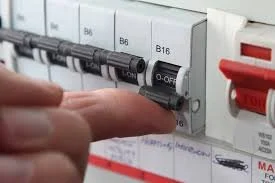
This is what a tripped breaker looks like
Step 3: Unplug Appliances and Test Again
A faulty appliance can cause a safety switch to trip.
Unplug all major appliances
Reset the switchboard
Plug items back in one at a time
If the power trips again, you’ve likely identified the issue. If not, the fault may be within the wiring or switchboard — requiring professional diagnosis.
Step 4: Watch for Signs of Electrical Danger
If your home lost power suddenly, check for warning signs such as:
Burning smells near power points or switchboards
Buzzing or crackling sounds
Warm or discoloured outlets
Flickering lights before the outage
These are signs of potentially serious electrical issues.
Do not attempt DIY repairs — contact an emergency electrician immediately.
When to Call an Emergency Electrician in Sydney
You should call an electrician urgently if:
You have no power at home and can’t restore it
Safety switches keep tripping
Essential circuits aren’t working (fridge, heating, medical equipment)
There’s evidence of electrical damage or burning
The outage occurs after hours, on weekends, or during storms
Electrical faults can pose fire and safety risks if left unresolved.
Emergency Electrical Services Sydney
— How Arconex Can Help
When your power goes out, you need fast, reliable help. Arconex provides emergency electrical services across Sydney, with experienced electricians who can arrive within 1 hour for urgent call-outs*.
Why Choose Arconex?
⚡ Emergency electrician Sydney – fast response
🕒 Available for urgent and after-hours call-outs
🔧 Fully licensed and insured electricians
🔍 Expert fault finding and safe repairs
💬 Up-front pricing and clear communication
From switchboard failures to storm damage and complete power loss, Arconex restores power safely — without shortcuts.
Trusted Sydney Electricians for Power Outages
We service homes across Sydney and understand how disruptive power outages can be. Our electricians are trained to quickly identify the cause and provide long-term solutions — not temporary fixes.
Whether you’re dealing with:
No power to your house
A tripping safety switch
Faulty wiring or switchboard issues
Arconex is ready to help.
No Power at Home? Call Arconex Now
If you’re unsure what’s caused your outage — or you need power restored urgently — don’t wait.
Call Arconex – Emergency Electrician Sydney:
1300 830 260